



Japanese torii
It is an iconic annex building of Japanese shrines, mainly used to distinguish the divine realm from the secular realm where humans reside, symbolizing the entrance to the divine realm. It usually consists of two pillars and two crossbeams, and sometimes hangs a plaque with inscriptions on it. It is usually made of wood and painted with raw paint. The color is usually vermilion, which is believed to have the power to dispel demons, like a monk's barrier. In Japan, people believe that torii can fulfill their wishes, so the custom of worshipping torii has been popular since the Edo period. Torii is not only a part of the shrine, but also an important symbol of Japanese culture.

New York Statue of Liberty
The Statue of Liberty (English: Statue of liberty), the full name of the Statue of Liberty National Monument, also known as Freedom Shines the World, is located on Liberty Island, New York, USA. In 1865, Eduard de Laboureille suggested that France present a statue of liberty on the 100 anniversary of the United States. The construction of the statue began in 1876. During the construction period, the project was stalled for a period of time due to lack of funds. On October 23, 1886, the Statue of Liberty was completed.

Popular Models
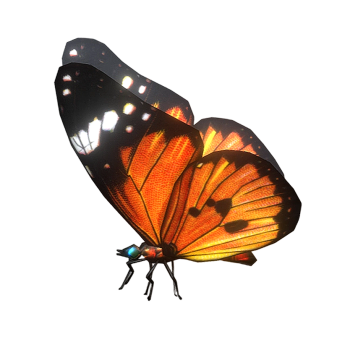
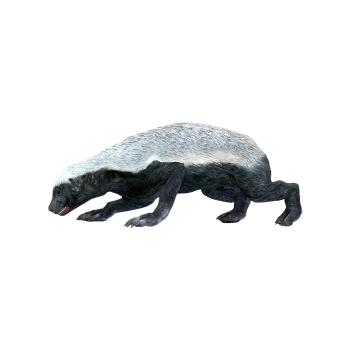
Honey Badger (3D animated model)
199 View
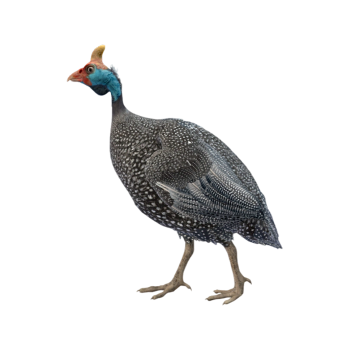
Guinea fowl (3D animated model)
168 View
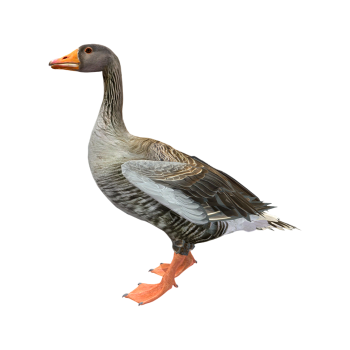
Wild Goose (3D animated model)
190 View

Red Fox (3D animated model)
158 View
Random Model

Seal skull
1119 View

Dragonfish order
936 View

Altar created by Gian Battista Piranesi
1068 View


BMW MINI Series MINI 3-DOOR (2022 model)
1286 View
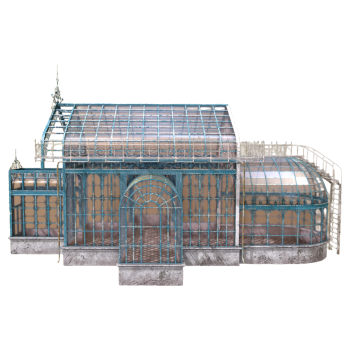
Roman style greenhouse
878 View


Spotted head wagtail skull
831 View
